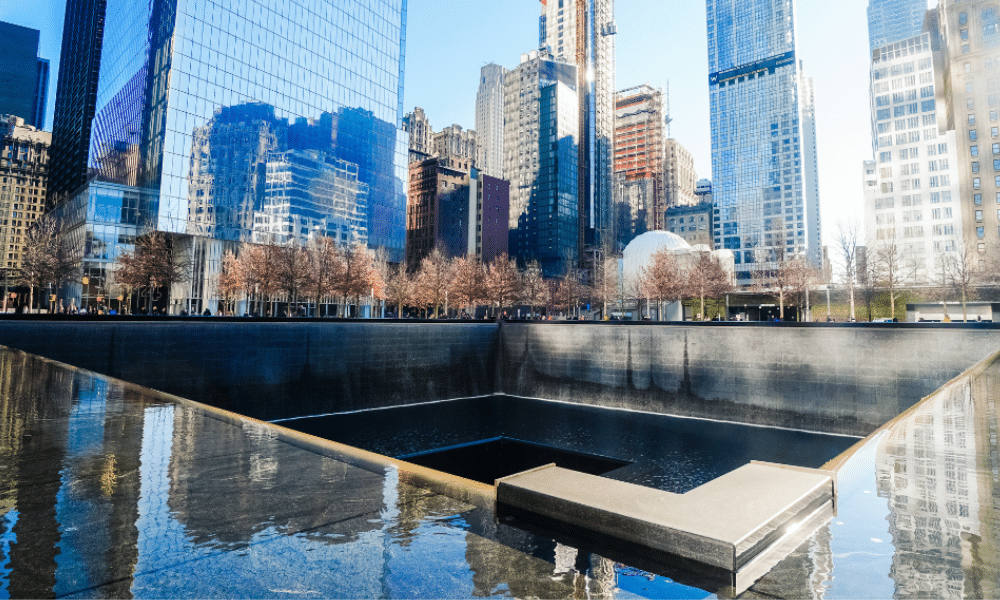

More than two decades have passed since the attacks on September 11, 2001. Many survivors still wonder about the health risks tied to that time, even all these years later. Cancer is one of the main concerns, and the concern does not disappear with time.
Researchers have linked dozens of cancers to the toxic 9/11 dust cloud. People who were present in the defined WTC exposure area during the qualifying period may be able to apply for the WTC Health Program, regardless of where they live now.
The lawyers at Weisfuse & Weisfuse, LLC, have helped many people get treatment and receive compensation for 9/11-related conditions over the years.
Why Does 9/11 Cancer Screening Matter?
Studies have found higher cancer rates among people exposed to 9/11 dust and toxins. The dust cloud contained asbestos, heavy metals, and other known carcinogens.
Many cancers take a long time to develop and can go undetected, even for years. Early screening can catch some of these cancers before they spread. That can make a real difference in treatment. For instance, early detection can mean less invasive therapies. It can also make a big difference to how long someone lives after a cancer diagnosis.
9/11 cancer screening through the WTC Health Program is free for anyone who qualifies.
Whether a person now lives in New York state or elsewhere does not change that.
Who Qualifies for Free Cancer Screening?
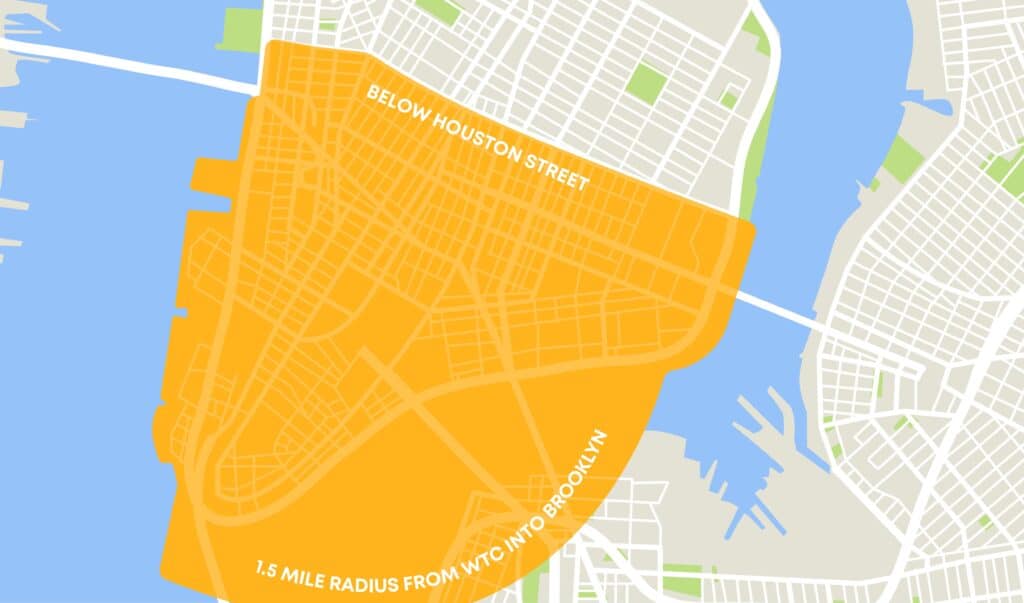
The rules on free cancer screening under the WTC Health Program cover a specific area and a set time window. For survivors, the WTC Health Program uses detailed geographic boundaries and time-presence requirements that generally include lower Manhattan south of Houston Street and certain nearby areas of Brooklyn affected by the attacks and recovery operations. The time window runs from September 11, 2001, through about ten months later, into the summer of 2002.
Anyone who lived, worked, went to school, or spent time in that area during that window may qualify. This includes responders, cleanup workers, office workers, students, and residents.
Even if someone moved across the country long ago and changed jobs many times since, that person can still qualify today, although eligibility depends on meeting the program’s documented time-and-place presence requirements, which vary depending on the person’s survivor or responder category.
What Cancers Are Linked to 9/11 Exposure?
Nearly half a million people breathed in the toxic dust, chemicals, and stress after the towers fell. Studies of certain WTC-exposed populations have reported elevated rates of cancers compared with some comparison populations, including:
- Prostate cancer,
- Thyroid cancer,
- Melanoma,
- Lung cancer,
- Breast cancer,
- Lymphoma,
- Kidney cancer,
- Esophageal cancer, and
- Colon cancer.
Scientists continue to study the 9/11 community to identify more disease patterns over time.
What Early Cancer Detection Services Does the WTC Health Program Cover Now?
The WTC Health Program follows national guidelines on which cancers to screen for. The WTC Health Program generally follows nationally recognized evidence-based screening recommendations. Depending on a member’s age, sex, medical history, and risk factors, covered preventive services may include screenings such as breast, cervical, colorectal, and, for eligible high-risk individuals, lung cancer screening. Program-affiliated providers can also order diagnostic testing when symptoms, examination findings, or screening results warrant further evaluation.
Typical cancer screening includes:
- Imaging tests,
- Blood tests, and
- Examinations that may identify abnormalities even before symptoms develop.
New technology is uncovering more ways to detect cancer early, such as advanced imaging, scanning, biopsy, and blood screening. Once a cancer is certified by the WTC Health Program as a WTC-related health condition, the program may cover medically necessary treatment and follow-up care through its provider network. This is true no matter which type of cancer it is or how advanced it has become.
A Gap in Coverage: Why Lawmakers Are Pushing for More
Not every cancer with a proven link gets the same level of screening. In May 2026, a bipartisan group of 30 members of Congress, led by Senator Kirsten Gillibrand, sent a letter to the Department of Health and Human Services. The letter asked for wider screening coverage for two specific cancers: prostate cancer and skin cancer. The numbers behind that request are significant.
The letter cited research showing that:
- Rescue and recovery workers face a 19% to 43% higher risk of prostate cancer than the general public; and
- Responders also face a 9% to 43% higher risk of melanoma, a serious kind of skin cancer.
Treatment for both cancers is already covered once a case is approved. Regular screening to catch these cancers early, though, is not yet part of the standard coverage. The push to close that gap continues.
The Importance of Early Cancer Detection
A 2022 government study examined how long 9/11 workers lived after joining the WTC Program checkups. It compared them to the general public of New York State.
Workers with several kinds of cancer lived longer than most people with the same disease. Early cancer detection through regular checkups seems to be a real part of that gap. Catching cancer sooner rather than later can mean better treatment choices and outcomes.
How Does Someone Get Started with Screening?
The first step is to join the WTC Health Program. A person applies with proof of where they were during the exposure window. Program staff then help arrange monitoring visits at a local clinic or at one of the program’s own treatment centers.
Visits usually include a general health check along with the specific cancer screenings the program covers. From there, any concerning finding can prompt further testing. Anyone who does get a cancer diagnosis has access to free ongoing treatment and follow-up care.
Contact Weisfuse & Weisfuse for Help
Jason E. Weisfuse has personally worked on thousands of compensation claims for 9/11 victims, including many tied to cancer. Our firm helps survivors, responders, and downtown Manhattan residents get their condition approved as 9/11-related. We can then file a claim for financial help through the September 11th Victim Compensation Fund (VCF).
You may be unsure about whether you’re eligible for screening or compensation for a 9/11-related cancer. Contact us for a free consultation to learn more about how we can help you.
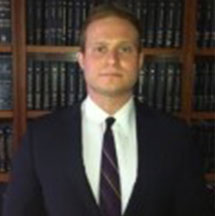
About Jason Weisfuse –
9/11 Victim Compensation Fund Attorney
About Jason Weisfuse –
9/11 Victim Compensation Fund Attorney
Jason E. Weisfuse is a seasoned 9/11 Victim Compensation Fund attorney and owner of Weisfuse & Weisfuse, LLC, a New York City-based law firm dedicated to representing individuals affected by the September 11th attacks. Since the establishment of the September 11th Victim Compensation Fund (VCF), Jason has been instrumental in assisting first responders, survivors, and families in securing the compensation and medical benefits they deserve. He will personally be submitting your claim and will be your primary contact throughout the process.
As a graduate of New York Law School (2009), Jason brings extensive experience regarding the 9/11 Victim Compensation Fund to his practice. His deep understanding of the VCF and the World Trade Center Health Program (WTCHP) has enabled him to navigate complex claims processes effectively, resulting in substantial awards for his clients.
Jason is a member of the New York State Trial Lawyers Association and the American Association for Justice and has been published in the New York Law Journal.
Get In Contact Today
If you are a current client, please email Jason at jw@weisfuse.com with your questions. All information provided is safe & confidential.
No phone/mobile number information will be shared with third parties/affiliates for marketing/promotional purposes. All the above categories exclude text messaging originator opt-in data and consent; this information will not be shared with any third parties.