Bladder cancer compensation after 9/11: key takeaways
Bladder cancer is a covered condition under the WTC Health Program. Here is what government sources say about certification, the research on bladder cancer after 9/11, and how a 9/11 bladder cancer claim works.
- Bladder cancer is on the WTC Health Program’s list of covered conditions, under cancers of the urinary system, including kidney and bladder. It does not need the rare cancer review some other cancers do. It does need to be certified by the program, and treatment must come from a program-affiliated provider.
- A WTC Health Registry ten-year cancer study found a significant dose-response for bladder cancer among rescue and recovery workers, meaning more exposure went with more cases. The CDC’s own latency policy states that specific 9/11 agents are known to cause bladder cancer. Neither proves what caused any one person’s diagnosis.
- Your bladder cancer has to be diagnosed at least 4 years after your first 9/11 exposure. That is the program’s minimum latency for solid cancers, and 9/11 was more than 25 years ago.
- A VCF claim requires presence at the World Trade Center site or in the NYC exposure zone between September 11, 2001 and May 30, 2002, as defined by the VCF, which sets no minimum time there. Registration is generally due within two years of your latest certification, and the last day anyone can file a claim is October 1, 2090.
Bladder cancer is one of the 70+ cancers & related illnesses that have been positively linked with exposure to the toxic dust cloud after the 9/11 attacks in 2001.
Many of those exposed to the cocktail of toxic substances in the dust cloud in the weeks and months after the attacks—including responders, residents, workers, and students in Lower Manhattan— have suffered debilitating diseases and conditions.
Bladder cancer and 9/11 payouts
An increased risk of bladder cancer is one of many reasons why survivors of the attacks should register with the World Trade Center Health Program (WTCHP) for free medical monitoring and treatment for any 9/11-related condition.
Those diagnosed with bladder cancer can also seek compensation from the September 11th Victim Compensation Fund (VCF).
Bladder cancer and the link to 9/11
One of the most serious long-term consequences of the 9/11 attacks is the large number of people in the exposure zone who have since been diagnosed with health problems affecting the aerodigestive and urinary tracts.
Most people are aware of the link between breathing disorders or lung cancer and 9/11 but the link with urinary and digestive orders comes as a surprise to many.
Bladder cancer is a malignant tumor that begins in the cells of the bladder, which is a pouch in the pelvic area that receives urine from the kidneys. The malignant cells can spread to other parts of the body through the lymph system if the cancer is not treated in its early stages. Bladder cancer is relatively rare in the general population but is most common in smoking males over the age of 40 who have been exposed to other toxic chemicals.
Many of the chemicals present in the toxic 9/11 dust cloud have been linked to cancers, including known carcinogens like arsenic, lead, asbestos, heavy metals, textile chemicals, and paint/dye chemicals, as well as diesel fumes.
Bladder cancer generally develops slowly and is often only diagnosed in older individuals with a long history of smoking. Survivors and responders are still being diagnosed with this condition well over 20 years after the attacks.
Bear in mind that early detection and treatment of bladder cancer, especially if it is a low-grade cancer confined to the wall of the bladder, can significantly improve the prognosis, with good survival rates and high quality of life for victims after successful treatment
Common symptoms of 9/11-related bladder cancer
Bladder cancer starts in the cells of the lining of the bladder. The most common symptom is blood in the urine. Other possible symptoms include pain during urination, frequent urination, and lower back pain.
However, because these symptoms can have many other causes, it is essential to seek a proper medical checkup from a qualified professional, including a urine test from a doctor approved by the WTC Health Program.
The good news is that bladder cancer is highly treatable if discovered early (more about the treatment options below). The five-year survival rate for bladder cancer is about 63 percent if it is caught relatively early—which compares favorably against many other cancers.
Start with a conversation
Bladder cancer is hard enough. Let us handle the claim paperwork.
Bladder cancer means procedures, follow-up testing, and a lot of waiting. If you were diagnosed after time in the 9/11 exposure zone, or you are caring for someone who was, we can explain what a claim involves. Weisfuse & Weisfuse, LLC offers a free consultation, and you owe nothing unless we help recover compensation.
Request A Free ConsultationWho qualifies for bladder cancer compensation associated with 9/11?
The priority for anyone with 9/11-related bladder cancer should be free diagnosis and treatment from the WTCHP. However, once this has been organized, financial assistance may be required, especially if the cancer treatment necessitates time off work and results in lost earnings.
The Victim’s Compensation Fund can award compensation up to $250,000 for 9/11-related bladder cancer claims, plus additional awards for pain and suffering and lost earnings. Families who have lost a loved one to bladder cancer can file a wrongful death claim and earn compensation for their loss that way.
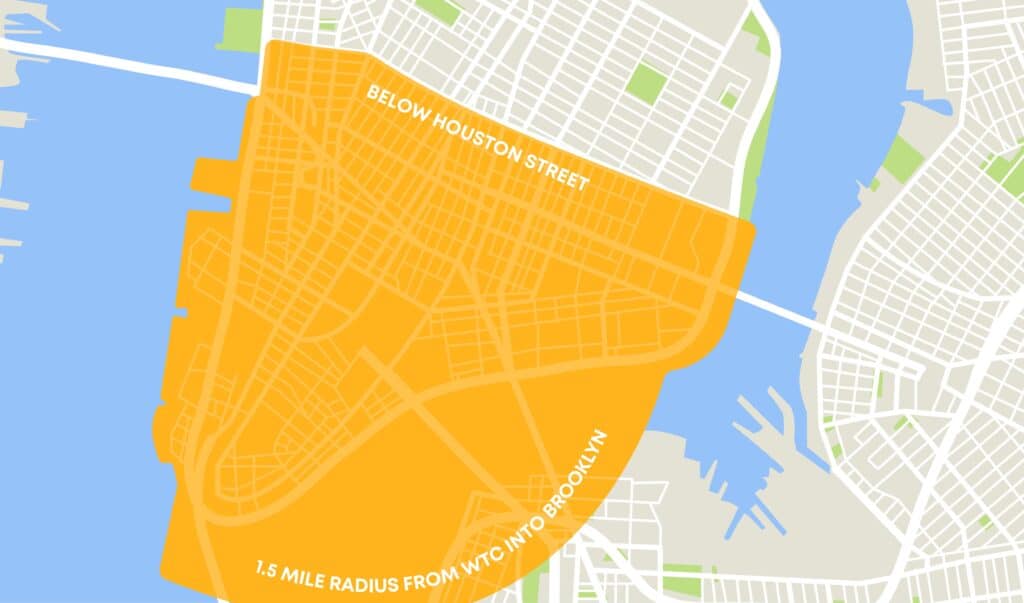
To determine eligibility for compensation from a bladder cancer claim, claimants need to first register with the WTCHP and have the condition diagnosed, monitored, and treated. To do that, evidence of presence at an attack site, including the World Trade Center, the Pentagon or the Shanksville crash site, must be provided—or evidence of exposure to the toxic dust cloud in Lower Manhattan between the dates of September 11th and May 30th, 2002.
A dedicated 9/11 lawyer can help survivors and responders prove their presence in the relevant zones between the applicable dates, easing the process of claiming rightful compensation for bladder cancer or any other 9/11-related condition.
9/11 compensation lawyers can contact the VCF on behalf of clients, provide proof of diagnosis and medical records, lodge the bladder cancer claim, and follow up on behalf of victims and their families.
The types of compensation awarded in such cases usually include the following:
- Medical expenses
- Lost wages
Pain and suffering associated with the condition
Covered, but certification comes first
Bladder cancer is a covered 9/11 condition. Let us help you start your claim.
The WTC Health Program lists bladder cancer as a covered cancer, but your condition still has to be certified, and that takes records. We can help you gather them and take each step with you. Consultations are free, and you owe Weisfuse & Weisfuse, LLC nothing unless we help recover compensation.
Request A Free ConsultationBladder cancer treatment options through the WTCHP
Typically, the treatment options for bladder cancer patients through the WTCHP include surgery, radiation therapy, chemotherapy, and immunotherapy—depending largely on the stage of the cancer, the condition of the individual, and personal treatment preferences.
Localized bladder cancer is historically treated with surgery, but surgical methods have advanced and alternative, non-surgical methods may also be available.
Transurethral resection of bladder tumor (TURBT) is a surgical procedure that removes cancers confined to the inner wall layers of the bladder without invading the muscle. It uses an electric wire loop to cut or burn away the cancer.
A relatively new form of treatment for the early stages of bladder cancer is intravesical therapy. With this treatment, a drug is inserted directly into the bladder through a catheter, targeting only the cancer cells and not affecting the rest of the body. This can potentially reduce the often-significant side effects of cancer therapies.
The goal of such treatments is to provide the longest survival and the highest quality of life possible for patients.
To discuss your situation and learn more about how we may be able to help you, please call 9/11 attorneys Weisfuse & Weisfuse, LLC at 212-983-3000 or contact us online to schedule a free consultation.
9/11 bladder cancer compensation questions
Answers to common questions about WTC Health Program coverage, latency, deadlines, and who qualifies for a 9/11 bladder cancer compensation claim.
Yes. The program’s covered conditions list includes cancers of the urinary system, including kidney and bladder. Coverage still depends on certification, which requires meeting the minimum latency period, and treatment through a program-affiliated provider.
At least 4 years after your first 9/11 exposure. Bladder cancer falls under the program’s 4-year minimum latency for solid cancers. Because 9/11 was more than 25 years ago, most diagnoses today are well past that minimum.
Generally two years from your most recent WTC Health Program certification. If you were never certified, the clock can run from another government determination, such as a workers’ compensation decision. Registering is separate from filing a claim, and the last day to file is October 1, 2090.
It depends on the program. The WTC Health Program requires at least 30 days between September 11, 2001 and July 31, 2002, or at least 4 days between September 11, 2001 and January 10, 2002, at 4 hours a day. Anyone in the dust cloud on 9/11 qualifies with no minimum. The VCF’s presence window ends May 30, 2002.
The most common symptom is blood in the urine. Others include frequent urination, pain or burning when you urinate, feeling you need to go when your bladder isn’t full, and getting up often at night. Infections and stones cause similar symptoms, so only testing confirms a diagnosis. See a doctor if you notice any of them.
Get In Contact Today
If you are a current client, please email Jason at jw@weisfuse.com with your questions. All information provided is safe & confidential.
No phone/mobile number information will be shared with third parties/affiliates for marketing/promotional purposes. All the above categories exclude text messaging originator opt-in data and consent; this information will not be shared with any third parties.