A denial letter from the 9/11 Victim Compensation Fund lies on a kitchen table. Next to it are hospital bills and a folder of papers kept since the first cough turned into a diagnosis. A survivor, who was present in downtown Manhattan in the weeks after the towers fell, reads the letter twice. They’re looking for a mistake. They wonder if the months of breathing in dust from Ground Zero somehow don’t count.
The team at Weisfuse & Weisfuse has seen many such letters. All is not lost. A 9/11 claims lawyer can step in, read the denial line by line, and look for a path that can still lead to compensation.
Can the 9/11 Victim Compensation Fund Still Approve a Denied Claim?
Yes. A VCF denial is not the final word. It is a status that can change through an appeal, an amendment, or a hearing. Many claims that start out with a denial end up approved. Someone with claims experience can help identify any gaps in the documentation and pick the right path forward.
Why Does the VCF Deny Claims?
Most denials come from a gap in the file. They are not a flat “no” to the illness or the exposure itself.
Common reasons include the following:
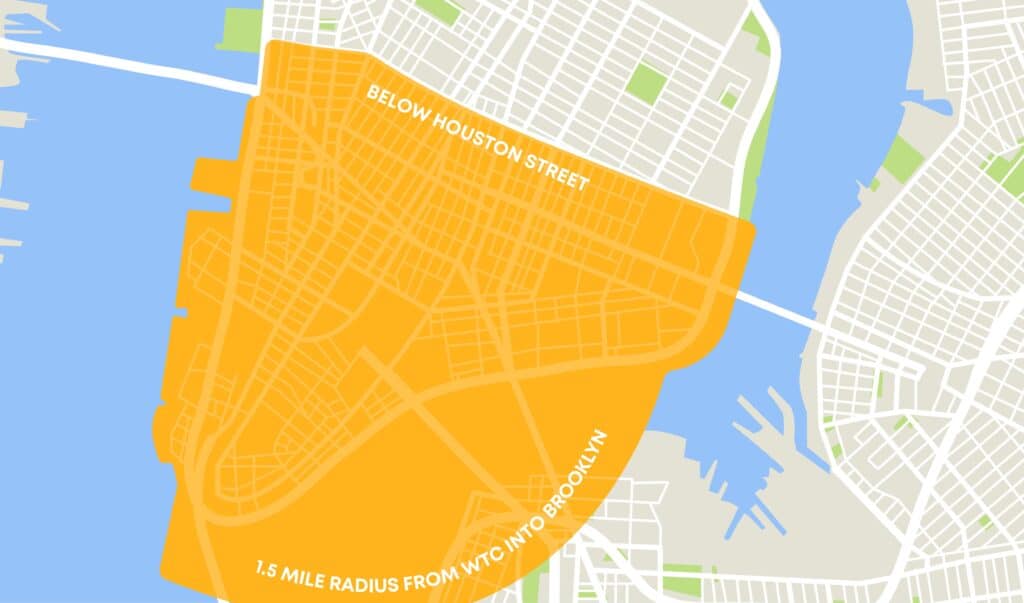
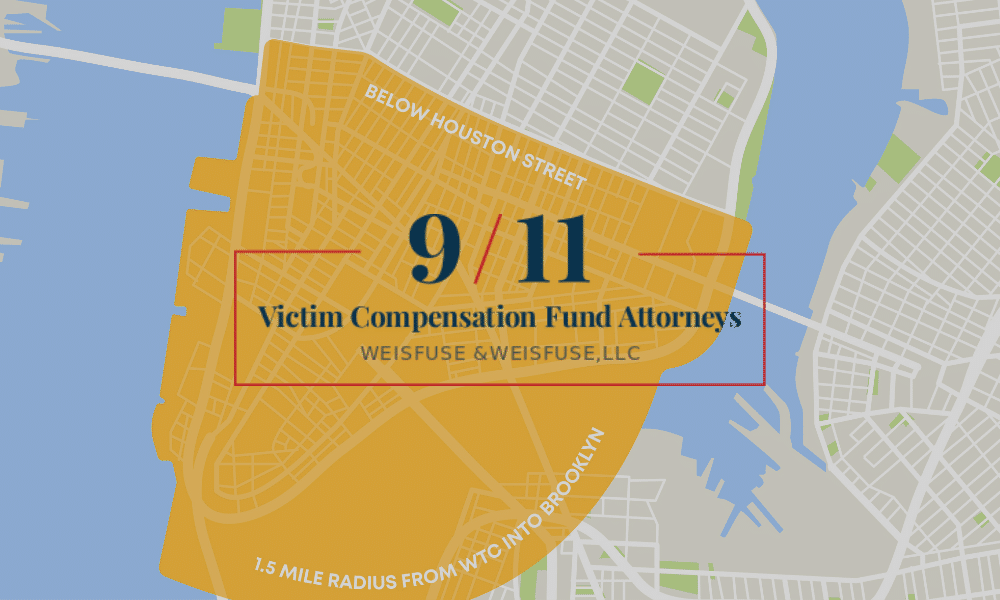
- Missing proof of presence. The claimant has not yet sent in paperwork placing them in the exposure zone during the relevant period (September 11, 2001, through May 30, 2002).
- Incomplete exposure-duration records. Pay stubs, employer letters, or sworn statements that show how long someone worked or lived downtown are missing or don’t cover the full time.
- Unclear timing on the condition. The file doesn’t yet show that a diagnosed illness or its start date lines up with the exposure period, so the fund can’t connect the two.
Once the fund flags one of these gaps, it may marks the claim denied if the missing information can’t be resolved. From that point, the clock starts running on how to respond.
A claim can also sit in a separate status called “Inactive.” This happens with claims filed before the WTC Health Program certified the condition. That isn’t a denial; it’s simply a label indicating the status until the certification comes through.
What Is the Difference Between an Appeal and an Amendment?
The fund offers two separate tools for challenging a denial:
- Amendments. An amendment puts new papers or new facts before the fund for a fresh look. A claimant can use it to support a different eligibility or compensation outcome with new evidence. They can also add a newly certified condition or new loss to an already-approved claim.
- Appeals. An appeal challenges the decision itself. It argues that the fund made the wrong eligibility or compensation decision based on the documentation already sent.
Sometimes, a claimant files an appeal, but the fund decides the request is really asking for a new decision based on new evidence. When that happens, the appeal turns into an amendment. The VCF can cancel the hearing, and the claimant may lose the right to challenge the first decision. It’s essential to work out which tool is best suited to the situation before you file anything.
A Denial Is Not The Final Word
Got A VCF Denial Letter? There Is Still A Path Forward.
A denial letter can feel like a closed door, especially after everything you have already been through. Most denials point to a gap in the file, such as missing proof of presence or incomplete records, and not a rejection of your illness or your time in the exposure zone. A denial can change through an appeal, an amendment, or a hearing. Weisfuse & Weisfuse, LLC offers a free consultation to take a careful look at your letter, with no fee unless we help recover compensation.
Request A Free ConsultationHow Does the 9/11 Victim Compensation Fund Appeal Process Work?
Filing an appeal happens in two steps.
Both run from the date on the denial or award letter:
- Complete the Appeal Request Form. Do this within 30 days of receiving the letter. Sending it in is what keeps the right to appeal active in the first place.
- Complete the fuller Appeal Package. Claimants must send this within 60 days of receiving their letter. It includes a written explanation, a pre-hearing questionnaire, and supporting records.
The VCF schedules a hearing only if paperwork alone can’t settle the question. This might involve a fact that only sworn testimony can prove.
Missing the 30-day form means there is no appeal to build on. Missing the 60-day package after that can get the appeal denied for being incomplete, even if the form went in on time. A claimant who misses the deadlines may still be able to file an amendment if new records or a new condition has since come to light.
What If There Is No Documentation to Prove Presence in the Exposure Zone?
Some claimants genuinely cannot locate a single record to prove their presence in the exposure zone. People lose pay stubs, employers close, and witnesses move away or pass on.
When paper records no longer exist, the fund offers an alternative. A claimant can send a letter describing every effort made to find proof. They can request a denial, so the VCF schedules a hearing. Then they can testify under oath about where they were and for how long. Sworn testimony, weighed by the hearing officer, can be enough on its own to prove presence.
Weisfuse & Weisfuse Guides 9/11 Victims Through Every Stage of a VCF Claim
A denial is not the end of the road, but the deadlines that follow it are unforgiving. Jason E. Weisfuse has worked on September 11th Victim Compensation Fund claims since shortly after the fund reopened in 2010. His writing on 9/11 claims has appeared in the New York Law Journal. His experience with thousands of claims helps him to assess denial letters thoroughly and identify potential ways forward.
We offer a free consultation to help sort out whether an appeal, amendment, or hearing offers the strongest chance of compensation. There is no fee to talk with us, and no fee at all unless we help recover compensation.
VCF Denial And Appeal Questions
Answers to common questions about appealing a denied or underpaid 9/11 Victim Compensation Fund claim.
No. Appeals do not require a lawyer. The fund reviews every claim under the same rules, whether or not a lawyer reviews it first. Many claimants still choose to work with a lawyer once a denial arrives. The appeal and amendment rules have strict deadlines, and the reasons for denial can be easy to misread.
Filing an appeal or amendment does not affect payment already tied to a separate, approved decision. However, an eligibility appeal pauses further review of compensation on that claim until the eligibility question is settled.
The VCF releases decisions in the order in which the hearings themselves took place. The fund does not state a fixed number of weeks or months for decisions. The wait depends on how many hearings sit ahead of a given claimant’s on the calendar.
Yes. This is a compensation determination appeal. That’s different from an eligibility appeal because the claim has already been approved. A claimant challenges the dollar amount, not the eligibility decision. They must usually show a calculation error or new records supporting a higher award. The same 30- and 60-day deadlines apply.
About Jason Weisfuse –
9/11 Victim Compensation Fund Attorney
About Jason Weisfuse –
9/11 Victim Compensation Fund Attorney
Jason E. Weisfuse is a seasoned 9/11 Victim Compensation Fund attorney and owner of Weisfuse & Weisfuse, LLC, a New York City-based law firm dedicated to representing individuals affected by the September 11th attacks. Since the establishment of the September 11th Victim Compensation Fund (VCF), Jason has been instrumental in assisting first responders, survivors, and families in securing the compensation and medical benefits they deserve. He will personally be submitting your claim and will be your primary contact throughout the process.
As a graduate of New York Law School (2009), Jason brings extensive experience regarding the 9/11 Victim Compensation Fund to his practice. His deep understanding of the VCF and the World Trade Center Health Program (WTCHP) has enabled him to navigate complex claims processes effectively, resulting in substantial awards for his clients.
Jason is a member of the New York State Trial Lawyers Association and the American Association for Justice and has been published in the New York Law Journal.
Get In Contact Today
If you are a current client, please email Jason at jw@weisfuse.com with your questions. All information provided is safe & confidential.
No phone/mobile number information will be shared with third parties/affiliates for marketing/promotional purposes. All the above categories exclude text messaging originator opt-in data and consent; this information will not be shared with any third parties.