
Esophageal Cancer Impact on 9/11 Survivors and Responders
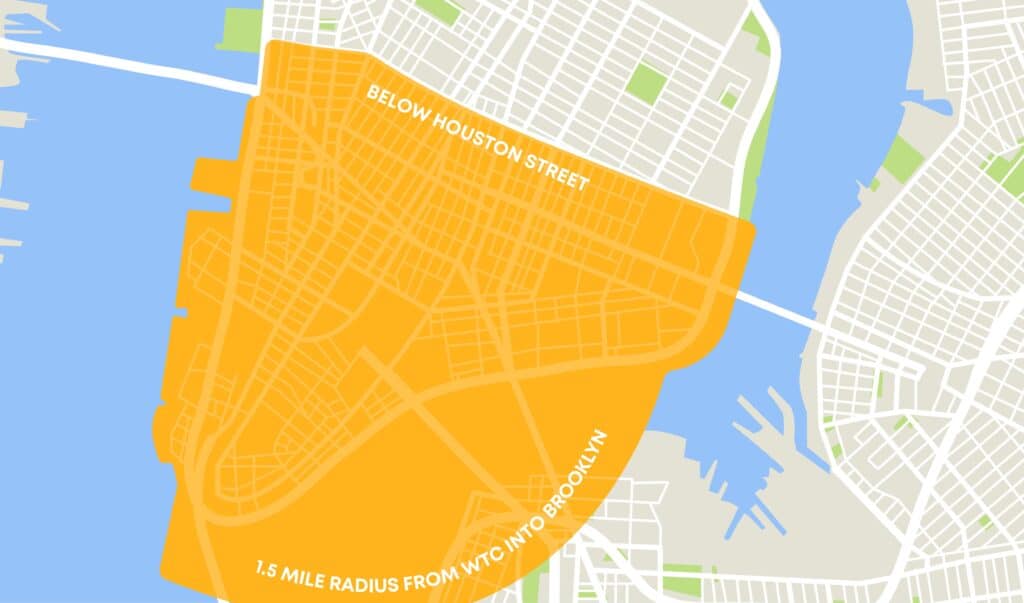
Since September 11, 2001, many survivors and responders have moved far from New York City. Some have received a diagnosis they never expected.
Esophageal cancer is one of the cancers included on the federal List of WTC-Related Health Conditions, meaning it may be certified by the WTC Health Program when the program’s eligibility and certification requirements are met. That connection matters for anyone diagnosed years, or even decades, after the attacks. And it matters regardless of where they live now.
Help is available for anyone who was in the 9/11 exposure zone and who receives an esophageal cancer diagnosis. Weisfuse & Weisfuse, LLC can help with registering for free health care and filing compensation claims.
What Is the Link Between Esophageal Cancer and 9/11 Exposure?
Federal health officials added esophageal cancer to the official list of WTC-related health conditions in 2012. This establishes the cancer type as one linked to 9/11 exposure.
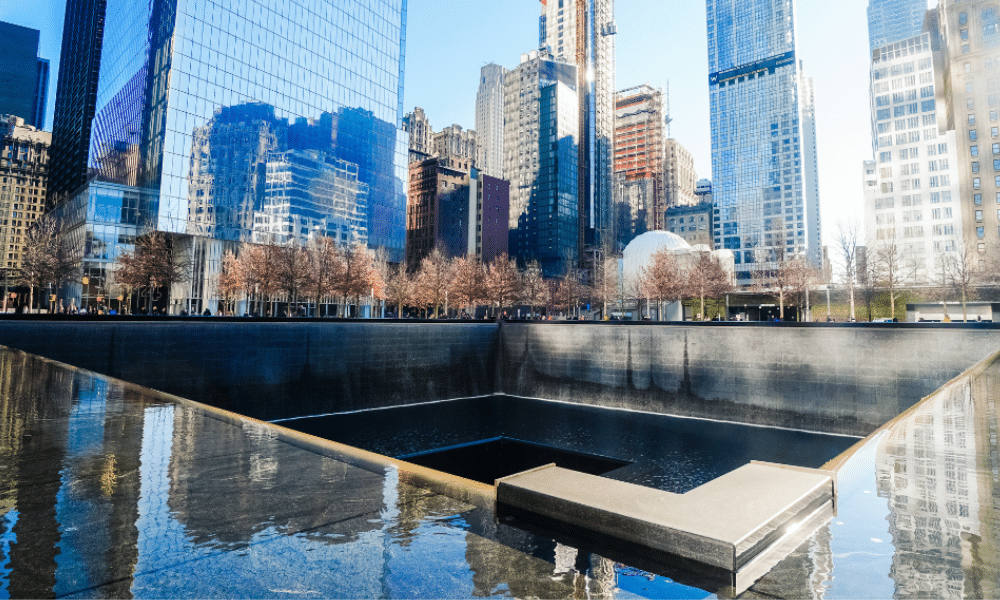
The move followed a review of the science by the National Institute for Occupational Safety and Health (NIOSH), part of the CDC. After the towers fell, the dust cloud contained a mix of crushed building debris, chemicals, and fine particles. Anyone who breathed in or swallowed that dust may have inhaled substances now linked to a high cancer risk.
Repeated exposure increased that risk. This was especially true for responders and cleanup workers who spent weeks or months at the site. Many worked without proper protective gear in the earliest days after the attacks. Survivors who lived, studied, or worked in the area breathed the same air. Scientists continue to study exactly how such exposure affects the esophagus over time.
What Is the Impact of Esophageal Cancer?
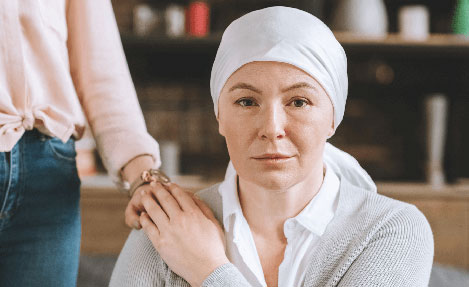
The most common symptom of esophageal cancer is trouble swallowing food or liquid. Other signs can include chest pain, coughing, weight loss, and vomiting. Symptoms often get worse as the cancer grows.
Treatment can include surgery, chemotherapy, and radiation, often used together. These treatments can be hard on the body and often lower the quality of life for a while. Many patients need help eating during and after treatment. Even after treatment ends, some effects on daily life can last a long time.
How Can the WTC Health Program Help?
For anyone with health problems related to 9/11, the place to start is the World Trade Center Health Program (WTCHP). Enrollees can get free checkups and care for approved 9/11-related conditions, of which esophageal cancer is now one.
Congress set up the WTCHP in 2010. NIOSH runs the program, which remains open through 2090. There is no deadline to enroll.
Before free care begins, a health condition must be certified. To receive WTCHP coverage for esophageal cancer, the individual must first enroll in the program and obtain certification of the condition as WTC-related. Program-affiliated medical providers document the member’s exposure history and medical evidence, and the WTC Health Program determines whether the condition meets the certification criteria. Once approved, the program covers checkups, treatment, and related care. This is generally provided without out-of-pocket costs through its network of doctors and treatment centers across the country.
Why Early Enrollment in the WTCHP Matters
A 2022 NIOSH study looked at 9/11 workers who enrolled in the WTC Health Program for care. The study reported that enrolled WTC rescue and recovery workers with certain cancers, including esophageal cancer, had better survival outcomes than comparison populations in New York State. Researchers noted that factors such as medical monitoring and earlier detection may have contributed to those findings.
As with most cancers, an early diagnosis of esophageal cancer can lead to better outcomes. The free screening and early diagnosis from the WTCHP are essential. This is another reason to register as soon as possible, rather than waiting to see how things go.
What Is the Deadline to File a 9/11 Esophageal Cancer Claim with the VCF?
Getting approved through the WTC Health Program is the first step. That proves the illness is 9/11-related. Asking for financial help is a separate process, handled by the September 11th Victim Compensation Fund (VCF).
Deadlines for filing a VCF claim work differently for cancer cases than for many other kinds of injuries. Cancer can take years or decades to show up after the initial exposure. For many cancer claims, the VCF’s timing rules are tied to when the claimant was diagnosed with a covered condition and received notice that the condition was determined to be 9/11-related, rather than to September 11, 2001, itself.
Survivors and responders who fall sick decades later can often still qualify. Family members of someone who died from a 9/11-related cancer may also be able to file on that person’s behalf.
Because the registration and filing rules can be complex, claimants should seek advice about the deadlines that apply to their specific situation.
How Much Can 9/11 Victims Recover for Esophageal Cancer?
People suffering from 9/11-related esophageal cancer may be able to claim two different types of compensation.
Pain and Suffering
Damages for pain and suffering do not need any lost income to qualify. Under current VCF rules, noneconomic loss awards for a covered cancer condition are generally capped at $250,000, although the actual award depends on the claimant’s circumstances and the fund’s governing regulations and policies.
Compensation for Real Costs
This payment is for lost pay, lost pension money, lost health coverage, medical bills, and funeral costs. The amount varies based on age, income, and the level of disability. It also depends on whether the person already gets help from elsewhere, such as Social Security disability or workers’ comp.
Get Experienced Help with a 9/11 Esophageal Cancer Claim
A 9/11 cancer diagnosis raises real questions. These include questions about who qualifies, how to get approved, and how much money may be available.
Jason E. Weisfuse began working on VCF claims soon after the fund was set up in 2010. He has personally handled thousands of claims since then, including many tied to cancers.
Weisfuse & Weisfuse, LLC, helps survivors, responders, and downtown Manhattan residents file VCF claims. Call for a free consultation to learn more about how we can help.
Esophageal Cancer Frequently Asked Questions
Get In Contact Today
If you are a current client, please email Jason at jw@weisfuse.com with your questions. All information provided is safe & confidential.
No phone/mobile number information will be shared with third parties/affiliates for marketing/promotional purposes. All the above categories exclude text messaging originator opt-in data and consent; this information will not be shared with any third parties.