
A 9/11 survivor submitted a claim eight months ago, certain that they were over the hardest part. Instead, they track a claim status that seems forever stuck, unsure if something in the file went wrong. For survivors and families carrying a 9/11-related illness, that uncertainty is its own burden.
Weisfuse & Weisfuse, LLC has spent years walking alongside people in exactly this spot. We can help catch small problems before they lead to a 9/11 Victim Compensation Fund claim that sits untouched for months.
What Slows Down a 9/11 VCF Payout?
For people worried about a slow payment, most delays trace back to a handful of issues:
- Missing medical certification,
- Gaps in proof-of-presence records,
- Incomplete forms, or
- Claims involving a death or complex financial loss.
Every claim moves through several steps before a decision comes back. The two most important are:
- Preliminary review. This checks for completeness of the initial paperwork. Is there a signed claim form, proof of presence, and WTC Health Program certification?
- Substantive review. At this next stage, a reviewer evaluates the paperwork and decides who qualifies and what they should receive.
A claim filed without certification that a physical condition is 9/11-related becomes inactive. No clock runs at all. A claim can’t reach substantive review until it clears preliminary review first. One missing document holds up everything behind it. That’s why it’s so important for submissions to be complete before filing.
The 9/11 Victim Compensation Fund (VCF) aims to issue a decision within one year of a complete submission. However, it is currently behind schedule, with decisions taking around 15 to 16 months. The clock only starts once all required documents are in the file.
Waiting Is Hard Enough Already
Feeling Stuck Waiting On Your VCF Claim? A Small Gap Is Often The Reason.
Waiting months for an update is stressful when you are living with a 9/11-related illness. Most delays trace back to a handful of common issues, such as a missing document or a gap in proof of presence, and a missing item does not end a claim. Weisfuse & Weisfuse, LLC offers a free consultation to review your file and help spot what is missing, with no fee unless we help recover compensation.
Request A Free ConsultationWhich Documents Cause the Most Holdups?
The fund needs a specific set of records before substantive review can even begin. When any of the following is missing, the claim pauses:
- A signed claim form. Every section must be completed, with no blank fields left for later.
- Proof of presence. Records or affidavits must show where someone was during the eligible window, not just a general statement that they were nearby.
- Medical certification. The WTC Health Program must tie the diagnosis to 9/11 exposure.
- Death-related paperwork. A claim filed on behalf of someone who died requires letters of administration, a death certificate, and supporting appendix forms.
A missing item doesn’t end a claim, but the back-and-forth that follows is where months can disappear.
What Happens If a Deficiency Letter Goes Unanswered?
Families often assume the fund will flag whatever is missing and wait patiently. They do receive a deficiency letter if documents are missing, but that starts a countdown. They have 60 days to respond in the early review stage and 30 days once a claim reaches substantive review.
If they miss the window, the file can lapse. That forces someone to start over. Applications that move fastest aren’t necessarily the ones that make the strongest cases. They often belong to applicants who treat every fund request as urgent.
Respond Before The Clock Runs Out
Got A Deficiency Letter? Do Not Let It Sit.
A deficiency letter starts a countdown: 60 days to respond in the early review stage and 30 days once a claim reaches substantive review. If that window is missed, the file can lapse and you may have to start over. Our team can help you respond before the deadline. Consultations are always free, and you owe Weisfuse & Weisfuse, LLC nothing unless we help recover compensation.
Request A Free ConsultationDoes Living Outside New York Change How the VCF Processes Awards?
No. Claims move through the same review processes regardless of where the applicant now lives. Your current address doesn’t affect how long a decision or payment takes.
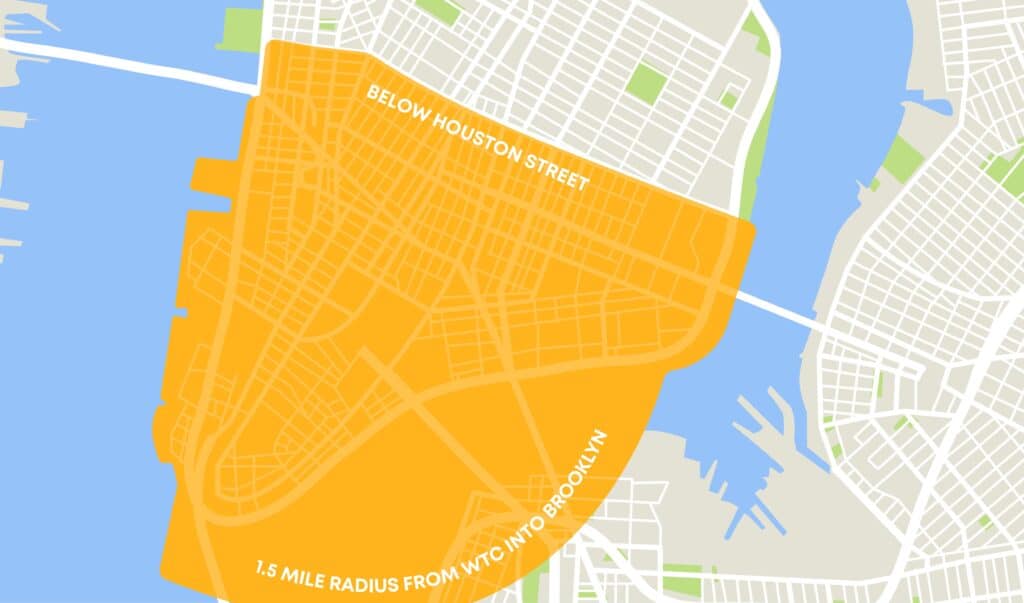
Location only matters for one thing: where someone was between September 11, 2001, and the following summer. Lower Manhattan south of Canal Street and parts of Brooklyn Heights near the World Trade Center site fall within the recognized area in NYC. That history decides eligibility, not processing speed.
What Happens Between 9/11 Victim Compensation Fund Approval and Payment?
An award decision is not the finish line. The Special Master has up to 20 days to authorize payment. After that, the Department of Justice and the Treasury Department will need up to three more weeks to send the funds via direct deposit. In summary, payment usually takes two months after the award decision, in addition to the review period.
What Happens If the VCF Denies the Claim or Changes Are Needed?
A denial is not always final. Someone can request an appeal or an amendment if any of the following apply:
- New medical evidence comes to light,
- The loss calculation needs correcting, or
- Additional proof of presence is available.
That process adds time, but skipping it costs far more in the end. An unresolved denial closes off the payout entirely.
Get a Free Consultation Before a Small Gap Becomes a Long Wait
Jason E. Weisfuse has worked on September 11th Victim Compensation Fund claims since shortly after the fund reopened in 2010. He has personally handled thousands of them for survivors, first responders, and downtown Manhattan residents.
Weisfuse & Weisfuse can review a 9/11 VCF claim and spot what’s missing. We can also help someone respond before an impending deadline.
A free consultation costs nothing and comes with no obligation. The sooner our firm takes on the case, the sooner we can address the issue before it becomes a months-long delay.
Common VCF Claim Questions
Answers to common questions about fees, registration, records, and deadlines for a 9/11 Victim Compensation Fund claim.
No. Weisfuse & Weisfuse works on a no-fee basis unless someone actually receives compensation. Federal regulation also caps attorney fees on VCF awards at 10%. This means there is no upfront cost and no surprise bill later.
Yes. Registering with the fund preserves a person’s right to file a claim later. They can apply before a condition has been diagnosed or certified by the WTC Health Program. Waiting for a diagnosis before registering can cause someone to miss their deadline.
If the original records are gone, the fund still allows sworn statements from coworkers or neighbors, along with other proof. In some cases, a claimant can also request a hearing to testify about their presence under oath. That path usually takes longer.
Yes. Under current rules, anyone eligible can file a claim through October 1, 2090. Registration deadlines work differently, though. They depend on when a person is aware that their condition is 9/11-related. Acting early still matters, even with decades left on the filing clock.
About Jason Weisfuse –
9/11 Victim Compensation Fund Attorney
About Jason Weisfuse –
9/11 Victim Compensation Fund Attorney
Jason E. Weisfuse is a seasoned 9/11 Victim Compensation Fund attorney and owner of Weisfuse & Weisfuse, LLC, a New York City-based law firm dedicated to representing individuals affected by the September 11th attacks. Since the establishment of the September 11th Victim Compensation Fund (VCF), Jason has been instrumental in assisting first responders, survivors, and families in securing the compensation and medical benefits they deserve. He will personally be submitting your claim and will be your primary contact throughout the process.
As a graduate of New York Law School (2009), Jason brings extensive experience regarding the 9/11 Victim Compensation Fund to his practice. His deep understanding of the VCF and the World Trade Center Health Program (WTCHP) has enabled him to navigate complex claims processes effectively, resulting in substantial awards for his clients.
Jason is a member of the New York State Trial Lawyers Association and the American Association for Justice and has been published in the New York Law Journal.
Get In Contact Today
If you are a current client, please email Jason at jw@weisfuse.com with your questions. All information provided is safe & confidential.
No phone/mobile number information will be shared with third parties/affiliates for marketing/promotional purposes. All the above categories exclude text messaging originator opt-in data and consent; this information will not be shared with any third parties.