9/11 Breast Cancer Compensation Claim: Key Takeaways
Breast cancer is a covered condition under the federal WTC Health Program. The following information are key points government records and published research show about 9/11-related breast cancer, toxic dust exposure after September 11, 2001, and a 9/11 breast cancer compensation claim.
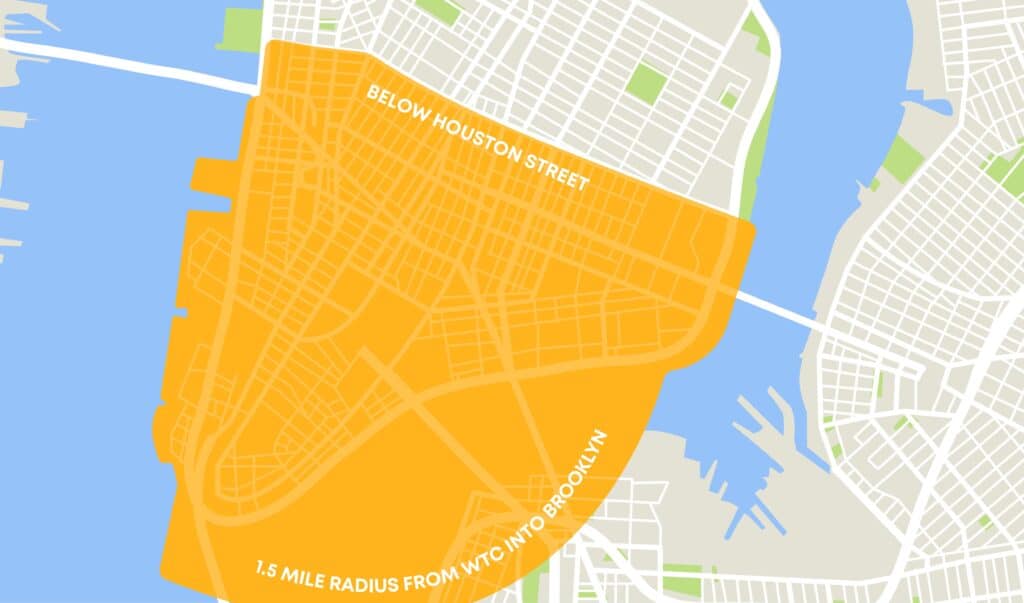
- Toxic dust in the exposure zone. The dust and smoke from the collapsed towers contained asbestos, polycyclic aromatic hydrocarbons (PAHs), and dioxin-related compounds, according to the CDC. A VCF claim requires presence at the World Trade Center site or in the NYC exposure zone between September 11, 2001 and May 30, 2002, as defined by the VCF.
- Higher rates among those exposed. The NYC Health Department’s WTC Health Registry reports that breast cancer is more frequent in people exposed to 9/11 than in the general population. A ten-year CDC-hosted study found it was significantly elevated in exposed civilians, but not in rescue and recovery workers.
- Screening affects the numbers. More mammograms can mean more cancers are found. A Registry study of 8,190 women found enrollees were screened more often than the general U.S. population, but 9/11 exposure itself was not linked to getting a mammogram. The authors advise accounting for screening when studying cancer rates in exposed groups.
- Women and men are covered. Breast cancer is on the WTC Health Program’s list of covered cancers, and the program has certified male breast cancer as a rare cancer. Its June 30, 2026 data show about 4,800 certified cases in women and more than 100 in men. Once certified, you generally have two years to register with the VCF.
A breast cancer diagnosis can force you to revisit where you were on and after September 11, 2001, and ask whether that exposure may now entitle you to help. A 9/11 breast cancer claim is not limited to first responders or people who still live in New York. People who worked, lived, studied, volunteered, or responded in qualifying areas may be eligible for medical benefits and compensation.
Weisfuse & Weisfuse, LLC helps people affected by 9/11 exposure pursue medical benefits through the World Trade Center Health Program (WTCHP) and compensation through the September 11th Victim Compensation Fund (VCF). We can help you establish your eligibility, gather the records needed to support your claim, and document how breast cancer has affected your health, work, and daily life.
Does the World Trade Center Health Program Cover Breast Cancer?
Yes. Breast cancer is included on the World Trade Center Health Program’s list of covered cancers. The Program may provide medically necessary monitoring and treatment when it certifies the cancer as WTC-related. Certification means the condition and the person’s exposure satisfy the Program’s requirements.
What Are the Symptoms of Breast Cancer?
Breast cancer warning signs vary by the type and stage of the cancer, and some people have no noticeable symptoms before an abnormality appears on a mammogram.
Possible symptoms include:
- A new lump or hardened area in the breast or underarm;
- A change in the breast’s size, shape, or appearance;
- Dimpling, puckering, scaling, redness, or inflammation of the skin;
- A change in the appearance or position of the nipple;
- Clear or blood-stained nipple discharge; and
- Breast or nipple pain.
A healthcare provider should evaluate any new change in the breast, nipple, or underarm. Treatment depends on the cancer’s type and stage and may include a lumpectomy, mastectomy, chemotherapy, radiation therapy, hormone therapy, immunotherapy, or targeted therapy.
You Have Enough To Carry Right Now
Breast Cancer After 9/11 Is Heavy Enough. The Claim Should Not Be.
A breast cancer diagnosis is overwhelming, and sorting out a compensation claim on top of treatment can feel impossible. You do not have to do it alone. Weisfuse & Weisfuse, LLC offers a free consultation to review your situation and explain your options, and you owe us nothing unless we help recover compensation.
Request A Free ConsultationWho May Qualify for a Breast Cancer Claim Related to 9/11?
You may qualify if you have breast cancer and can prove that you were present at the World Trade Center site or within the New York City Exposure Zone between September 11, 2001, and May 30, 2002.
Eligibility is not limited to firefighters, police officers, or other first responders. Potential claimants may include:
- Responders and recovery workers. This includes people involved in rescue, recovery, cleanup, debris removal, construction, and support work.
- Downtown workers and volunteers. Office employees, retail workers, building staff, volunteers, and others who spent time in the New York City Exposure Zone may qualify.
- Residents and students. People who lived in, attended school in, or went to daycare in the Exposure Zone may also be eligible.
- Families of deceased individuals. A properly appointed personal representative may file a claim when breast cancer caused or contributed to a loved one’s death.
The VCF requires proof that the person was present in an eligible location during the required period. The documents needed depend on why the person was there and may include employment records, school records, leases, utility bills, responder records, or witness statements.
When Do You Need to Register and File a VCF Claim?
A 9/11 breast cancer claim involves two separate steps: registering with the VCF and filing the full compensation claim. Before filing, the World Trade Center Health Program usually needs to certify your breast cancer as 9/11-related.
WTC Health Program Certification
After your diagnosis, you must provide the WTC Health Program with medical records confirming the breast cancer and information about your 9/11 exposure. The Program reviews that information to decide whether your condition meets its requirements.
If it approves the condition, you receive a certification letter stating that your breast cancer is 9/11-related.
VCF Registration Deadline
If you have not already registered, you generally have two years from the date of the certification letter to register with the VCF.
Registration is not the same as filing a claim for compensation. It simply protects your right to submit the full claim later. You may also register before receiving a diagnosis or certification.
VCF Claim Filing Deadline
After your breast cancer has been certified and you have registered, you can file the full VCF claim. This is when you submit information about your diagnosis, treatment, lost income, and other losses.
The final claim filing deadline is October 1, 2090. You do not need to wait until then. Most people file once their condition has been certified and their losses can be properly documented.
Women And Men Can Both Qualify
A Breast Cancer Diagnosis Does Not Close The Door On Compensation.
Breast cancer is a covered condition under the WTC Health Program, for men as well as women. If you or a loved one was diagnosed after time in the exposure zone, our team can talk through certification, deadlines, and your next steps. Consultations are always free, and you owe Weisfuse & Weisfuse, LLC nothing unless we help recover compensation.
Request A Free ConsultationCan Men File a Claim for Breast Cancer?
Yes. Men can develop breast cancer, and the federal programs do not limit breast cancer benefits to women. Male claimants must satisfy the same requirements involving diagnosis, certification, presence, and filing.
How Can Weisfuse & Weisfuse Help?
Weisfuse & Weisfuse can handle each stage of a 9/11 breast cancer claim, from proving eligibility to submitting the VCF claim and addressing any issues that arise. We will:
- Review your eligibility. We examine where you were, what you were doing, and when the exposure occurred to determine whether you may qualify.
- Help prove your presence. Many claims depend on records that are now more than two decades old. We can help gather employment files, union records, responder rosters, school records, leases, utility bills, witness statements, and other evidence showing that you were in a qualifying location.
- Coordinate WTCHP certification. We can help organize the medical records and exposure information needed for the WTCHP to review whether your breast cancer qualifies as a 9/11-related condition.
- Protect important deadlines. We track the registration and claim-filing requirements that apply to your circumstances, including the two-year registration period that may begin after your condition is certified.
- Document the full value of your losses. A VCF claim may involve more than medical records. We can gather evidence of lost income, reduced earning capacity, treatment costs, and other financial effects resulting from the diagnosis.
- Explain the personal impact of the illness. Our attorneys prepare detailed impact statements supported by medical evidence to show how breast cancer and its treatment have affected your pain, daily activities, work, and quality of life.
The process can involve several agencies, extensive documentation, and records that may be difficult to locate. Weisfuse & Weisfuse manage those details so you can focus on your health while we build and present your claim.
Contact Weisfuse & Weisfuse, LLC About Your Right to Compensation
A breast cancer diagnosis connected to 9/11 exposure may lead to medical care through the WTC Health Program and compensation through the VCF, but each program has separate requirements. Proving presence, obtaining certification, meeting the registration deadline, and documenting every eligible loss require careful attention.
Weisfuse & Weisfuse, LLC has recovered millions of dollars in VCF compensation for members of the 9/11 community. We can review your history, explain the next steps, and help you pursue the medical and financial benefits available to you.
You do not have to live in New York today to pursue benefits. Contact Weisfuse & Weisfuse, LLC, for a free and confidential consultation.
9/11 Breast Cancer Claim Questions
Answers to common questions about WTC Health Program coverage, men, mammograms, and eligibility for a 9/11 breast cancer compensation claim.
Yes. Breast cancer is on the WTC Health Program’s list of covered cancers. Coverage is not automatic, though. The program must first certify the cancer as related to 9/11, and treatment is covered only after certification. That certification also starts the clock on some Victim Compensation Fund deadlines.
Yes. Men must meet the same requirements as women. Breast cancer in men is rare, but the WTC Health Program has certified male breast cancer as a rare cancer. The program’s June 2026 data list more than 100 men with certified breast cancer.
It can. Members ages 40 to 74 may receive a digital mammogram once every other year as part of the program’s health monitoring exam. The program only pays for care provided through the program, so a screening from a private doctor is not covered.
You need proof that you were at the World Trade Center site or in the NYC exposure zone between September 11, 2001 and May 30, 2002, plus a breast cancer diagnosis that the government has found to be 9/11-related, usually through WTC Health Program certification. Most people must register within two years of certification. The last day to file a claim is October 1, 2090.
Research suggests both can matter. The WTC Health Registry reports that breast cancer is more frequent in exposed people than in the general population, but researchers also say screening should be considered. One Registry study found 9/11 exposure was not linked to getting a mammogram. No single study settles the question.
Get In Contact Today
If you are a current client, please email Jason at jw@weisfuse.com with your questions. All information provided is safe & confidential.
No phone/mobile number information will be shared with third parties/affiliates for marketing/promotional purposes. All the above categories exclude text messaging originator opt-in data and consent; this information will not be shared with any third parties.