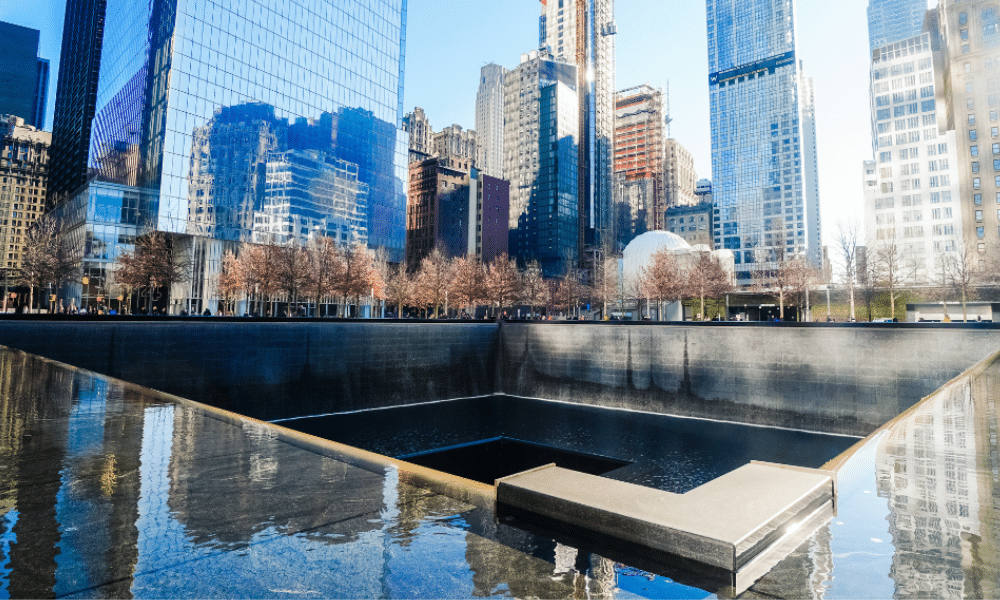

Of all the health conditions that have afflicted the 9/11 community since September 2001, cancer has perhaps been the most devastating.
Anyone who was working, living, or studying in Lower Manhattan on or after 9/11 has a higher risk of developing over 70 different types of cancer from exposure to toxins at Ground Zero.
These cancers are certified by the World Trade Center Health Program (WTCHP) as being 9/11-related, along with many other health conditions.
After skin cancer, the leading cancers associated with 9/11 responders and survivors are prostate cancer and breast cancer. It surprises some people that males can get breast cancer but its prevalence in the 9/11 community is alarmingly high.
The most common cancer types in the 9/11 community: An overview
The most common types of cancer associated with 9/11 are:
- Skin cancer (non-melanoma)
- Prostate cancer
- Breast cancer (female)
- Skin cancer (melanoma)
- Lymphoma
- Thyroid cancer
- Lung/bronchus cancer
- Kidney cancer
- Leukemia
- Colon cancer
- Bladder cancer
- Myeloma
Why are 9/11 responders and survivors at risk of prostate cancer?
Almost 50,000 people have been diagnosed with 9/11-related cancer. This includes well over 9,300 cases of prostate cancer.
In the general population, prostate cancer is recognized as an increasing risk. In the 9/11 community, however, exposure to the toxic cocktail of chemicals at Ground Zero has elevated that risk.
A 2019 study sought to understand why 9/11 responders might be at increased risk of prostate cancer, finding that “inflammatory mechanisms are activated in the prostate after exposure to World Trade Center dust, which may give rise to chronic inflammation and contribute to prostate cancer progression.”
Male responders and survivors also develop breast cancer
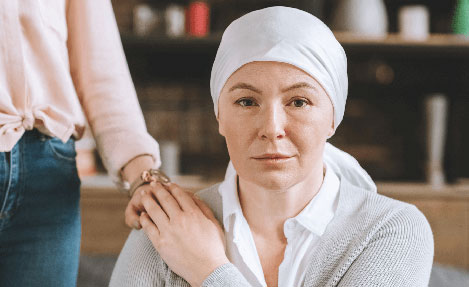
Breast cancer is the most common female cancer associated with 9/11 but men can also develop breast cancer. In fact, the numbers are surprising.
Over 90 male members of the 9/11 community have a confirmed diagnosis of breast cancer through the WTC Health Program.
Typically, only around 1.3 out of every 100,000 men in the general population develop breast cancer. Yet, of the almost 100,000 men currently enrolled in the WTCHP, 91 have developed the disease.
Male survivors and responders should enroll with the WTCHP even if they have no symptoms or health conditions presently. This opens the door to free screening for the most common 9/11-related conditions. With many cancers, early diagnosis can greatly improve the prognosis and treatment options.
What are the signs of 9/11-related male breast cancer?
To check for breast cancer, at-risk males should regularly check the area behind and around the nipple and along the chest wall.
Although the following symptoms can all have alternative explanations to breast cancer, they should prompt targeted checks for the condition:
- A lump or swelling in the breast or underarm.
- Changes to the skin of the chest, such as dimpling, puckering, thickening, scaling, or redness.
- Pain, crusting, or changes in color of the nipple.
- Clear or bloody nipple discharge.
Why was 9/11 exposure so harmful for survivors and responders?
The dust and smoke produced from the attack on the World Trade Center and the collapse of three buildings on September 11 created a toxic cocktail of substances at Ground Zero.
Responders completed long shifts, working to rescue and clean up at Ground Zero, while many people returned to live, work, or study in Lower Manhattan after the attacks, persuaded that the air was “safe” only to find out years later that it was anything but safe. They were breathing unsafe air every day for months.
The dust cloud contained asbestos, lead, and glass fibers, as well as many other harmful environmental carcinogens that continue to cause health problems for those who breathed it.
Combined exposures from 9/11 are linked with higher risks of many types of cancer and aerodigestive disorders.
What should survivors with prostate or breast cancer do?
The most important advice to anyone who thinks they may have breast or prostate cancer is to seek a medical diagnosis as soon as possible. Delays can limit treatment options and increase the risks associated with almost any cancer.
For anyone already enrolled in the WTCHP, screening, diagnosis, and treatment are available for free. Any eligible survivors or responders not yet enrolled should do so as soon as possible.
This requires proof of:
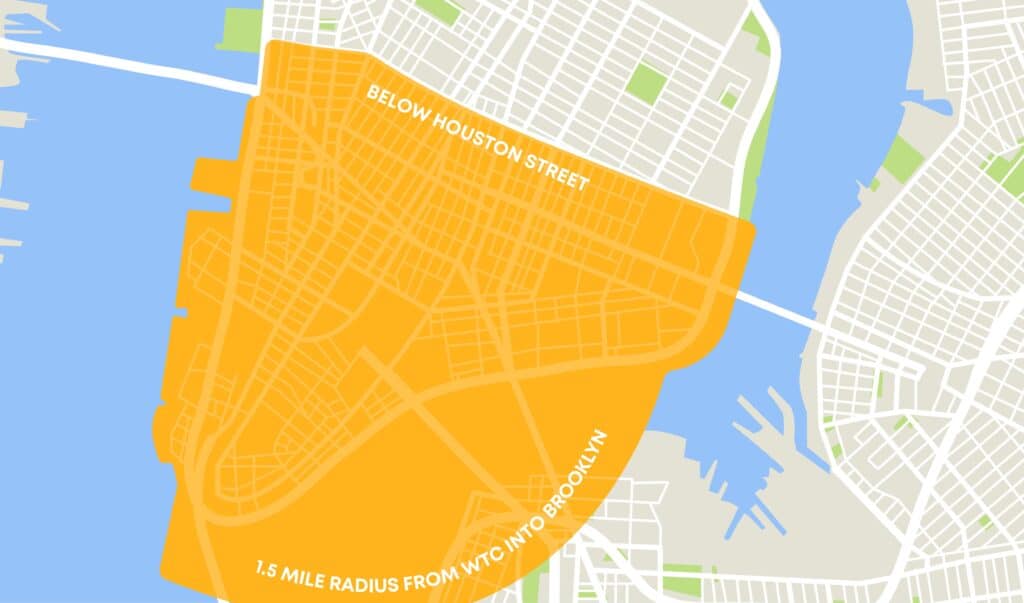
- Presence in the NYC Disaster Area of Lower Manhattan south of Houston Street or parts of Brooklyn within 1.5 miles of the former WTC.
- Presence between the eligible dates of September 11, 2001, and July 31, 2002, for a minimum time period.
Enrollment in the program will enable free medical diagnostic care for your suspected breast cancer or prostate cancer through program-affiliated clinics, potentially including:
- A clinical exam.
- Diagnostic mammogram.
- Ultrasound.
- A biopsy.
Breast cancer screening is available through the WTC Health Program
For those who don’t yet have any symptoms but are in a high-risk group, like most 9/11 survivors and responders, breast or prostate cancer screening may be available as a part of the health monitoring exam at the WTCHP.
For instance, those aged between the ages of 40 and 74 may receive a digital mammogram once every other year. If diagnosed with a condition, treatment is free under the WTCHP, and patients may be able to claim compensation from the September 11th Victim Compensation Fund (VCF).
Our 9/11 attorneys can help
Anyone who lived, worked, or volunteered in the exposure zones and notices changes in their breast tissue or prostate should not wait for medical attention.
A 9/11 claims attorney can help survivors and responders enroll with the WTCHP and claim compensation from the VCF, while they focus solely on their medical care.
To discuss your situation and learn more about how we may be able to help you, please call Weisfuse & Weisfuse, LLC at 212-983-3000 or contact us online to schedule a free consultation.
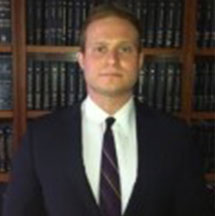
About Jason Weisfuse –
9/11 Victim Compensation Fund Attorney
About Jason Weisfuse –
9/11 Victim Compensation Fund Attorney
Jason E. Weisfuse is a seasoned 9/11 Victim Compensation Fund attorney and owner of Weisfuse & Weisfuse, LLC, a New York City-based law firm dedicated to representing individuals affected by the September 11th attacks. Since the establishment of the September 11th Victim Compensation Fund (VCF), Jason has been instrumental in assisting first responders, survivors, and families in securing the compensation and medical benefits they deserve. He will personally be submitting your claim and will be your primary contact throughout the process.
As a graduate of New York Law School (2009), Jason brings extensive experience regarding the 9/11 Victim Compensation Fund to his practice. His deep understanding of the VCF and the World Trade Center Health Program (WTCHP) has enabled him to navigate complex claims processes effectively, resulting in substantial awards for his clients.
Jason is a member of the New York State Trial Lawyers Association and the American Association for Justice and has been published in the New York Law Journal.
Get In Contact Today
If you are a current client, please email Jason at jw@weisfuse.com with your questions. All information provided is safe & confidential.
No phone/mobile number information will be shared with third parties/affiliates for marketing/promotional purposes. All the above categories exclude text messaging originator opt-in data and consent; this information will not be shared with any third parties.