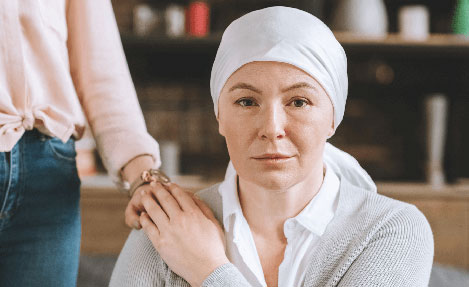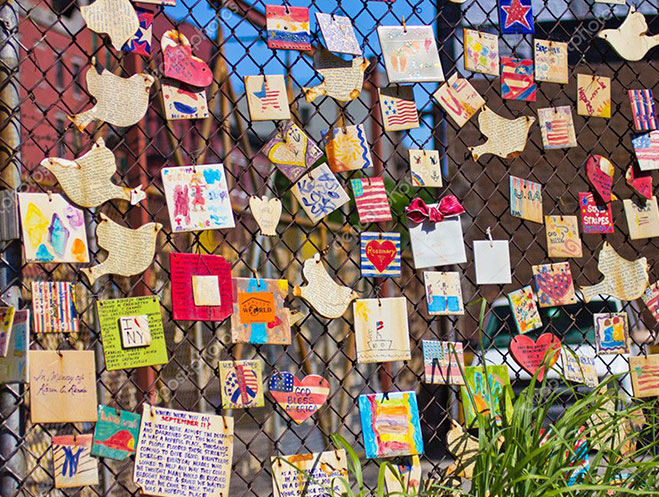
The physical challenges associated with a 9/11 cancer diagnosis are well-established but somewhat less attention is given to the emotional impact—both on the victims and their families.
A combination of anxiety, confusion, uncertainty, and even psychological issues can impact anyone with cancer—and 9/11 victims are no exception.
Let’s examine the emotional impact of a 9/11 cancer diagnosis in more detail and consider the support mechanisms available for victims.
What conditions are linked to 9/11 exposure?
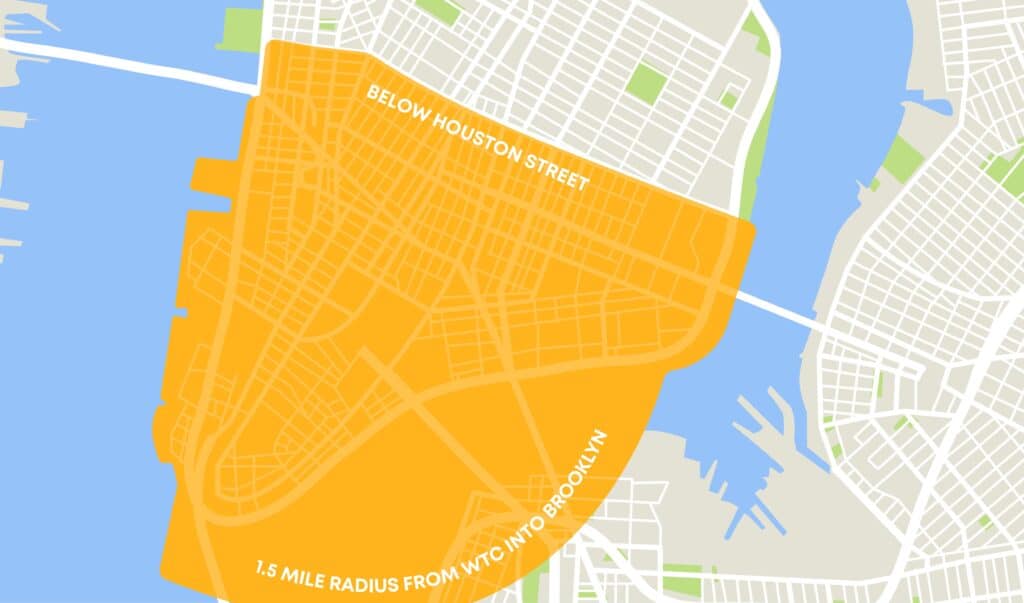
The 2,976 people who died on 9/11 were the first, but not the last, victims of the attacks. Many thousands more died or suffered debilitating conditions during the cleanup efforts or simply by returning to the environment of Lower Manhattan, with its toxic dust cloud, in the days, weeks, and months that followed.
The hazardous materials contained in the dust cloud have been linked with a wide variety of illnesses, including over 70 types of cancer. The following conditions are just some of the many covered by the World Trade Center Health Program (WTCHP), which was set up to provide free healthcare and monitoring for 9/11 victims:
- Cancers of the lung, thyroid, skin, breast, prostate, blood, digestive system, etc.
- Aerodigestive disorders, such as COPD, GERD, etc.
- Mental health conditions, such as anxiety, PTSD, and depression.
Over the past two decades, the WTCHP has provided medical monitoring and assistance to tens of thousands of survivors who lived, worked, and studied in the exposure zone of the toxic dust cloud, as well as responders who helped in the cleanup effort.
Many cancers are slow growing, so even decades after exposure, symptoms can develop and impact victims and their families, who may not even associate the cancer diagnosis with toxic exposure.
What is the emotional impact of a cancer diagnosis?
It is no exaggeration to say that a cancer diagnosis often changes the lives of victims and their families. For 9/11 victims, the impact may be even greater, in some respects, because every year on September 11th, they are reminded of the tragic circumstances that caused their cancers.
This has led to a range of emotional and psychological effects, even decades after the attacks. Most commonly, survivors and their families experience the following:
- Problems adjusting to life changes as a result of their cancer diagnosis.
- Emotional episodes triggered by medical visits or other 9/11 reminders.
- Anxiety attacks.
- A form of post-traumatic stress disorder (PTSD).
- Bouts of depression.
- Feelings of guilt (why did they survive while others perished?)
- Loneliness from the loss of a loved one.
- Anger over their condition and the delay in receiving governmental assistance.
Experiencing some emotional impact from traumatic events is considered quite normal but professional treatment may be required after a cancer diagnosis.
How can a 9/11 cancer diagnosis impact daily life?
Other emotional side effects of a 9/11 cancer diagnosis relate to how the illness disrupts the daily life of victims. Multiple medical appointments, mounting costs, physical weakness, chronic pain, and increased strain on relationships or employment status can all take their toll on the emotions of victims.
Cancer victims must often undergo surgery, chemotherapy, and/or radiation treatment, which takes time, energy, and commitment from victims and their families. Some have to leave work temporarily or even permanently, reducing earnings and leading to further financial concerns.
Stress can increase, especially for parents who must manage the needs of children as well as a sick patient—with the future very uncertain for some families.
Maintaining a “normal” routine and a good quality of life is especially challenging if a family member is suffering from cancer, undergoing treatment, and also contending with emotional issues.
How can the WTCHP help 9/11 survivors with emotional issues?
The WTCHP covers mental health services and offers help to registered 9/11 survivors and responders experiencing emotional issues related to a cancer diagnosis (or any covered condition).
Some of the services that may be of use to such individuals include:
- Annual mental health monitoring services, including counseling, diagnostic evaluations, psychotherapy, and psychopharmacology.
- Peer support/group therapy, e.g., firefighter/law enforcement survivor groups, women’s groups, and wellness groups.
- Hospital-based cancer support programs, with advice on nutrition and wellness (available to patients and their families).
The FealGood Foundation, founded by 9/11 first responder John Feal, also provides support for injured emergency personnel, including counseling, education, and community events.
These services can help 9/11 cancer victims better deal with the emotional aspect of their diagnosis, aiding both their well-being and recovery from their condition. Those who recognize the need for such emotional support may be better equipped to handle the rigorous treatment plans and follow-up schedules associated with cancer.
Supporting a loved one with a 9/11 illness during the holidays
As we enter the holiday season, some readers may like to reach out to help loved ones struggling with a 9/11 illness—whether physical or mental, survivor or responder.
Here’s what family members, friends or colleagues can do to help:
- Recognize mental health conditions and offer support and empathy without passing judgment, practicing listening skills.
- Check in regularly and spend time together to take their mind off their physical or mental condition.
- Ask what can be done to help with holiday tasks, to ease a loved one’s fatigue, stress, anxiety, or loneliness—it may be something as simple as making a meal or wrapping gifts.
- Focus on smaller, intimate gatherings and dinners with a few loved ones rather than large parties that can heighten feelings of isolation.
- Encourage a loved one to connect with one of the many 9/11 support groups and resources outlined above.
How can legal support help?
In addition to the steps outlined above, if a loved one is a survivor or responder with a 9/11-related health condition who has not yet registered for the WTCHP or the September 11th Victim Compensation Fund (VCF), legal assistance may help.
The WTCHP provides free medical care and monitoring for 9/11-related conditions for the duration of a victim’s life, while the VCF can provide substantial compensation for the pain and suffering, lost earnings, and out-of-pocket expenses incurred from the condition. This can go some way to relieving the financial stress often caused by poor health and provide a small measure of justice for the negative impact on quality of life.
For all 9/11 cancers, awards from the VCF are significant but there is no extra compensation for any associated mental health conditions.
Victims first need to file a claim for their cancer—a process that can be challenging without the help of a 9/11 claims attorney. A lawyer will help with the claim paperwork, satisfying eligibility requirements (medical requirements and proof of presence in the exposure zone between the eligible dates), and submit the necessary documentation to claim the maximum possible compensation.
To discuss your situation and learn more about how we may be able to help you, please call Weisfuse & Weisfuse, LLC at 212-983-3000 or contact us online to schedule a free consultation.
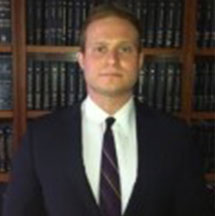
About Jason Weisfuse –
9/11 Victim Compensation Fund Attorney
About Jason Weisfuse –
9/11 Victim Compensation Fund Attorney
Jason E. Weisfuse is a seasoned 9/11 Victim Compensation Fund attorney and owner of Weisfuse & Weisfuse, LLC, a New York City-based law firm dedicated to representing individuals affected by the September 11th attacks. Since the establishment of the September 11th Victim Compensation Fund (VCF), Jason has been instrumental in assisting first responders, survivors, and families in securing the compensation and medical benefits they deserve. He will personally be submitting your claim and will be your primary contact throughout the process.
As a graduate of New York Law School (2009), Jason brings extensive experience regarding the 9/11 Victim Compensation Fund to his practice. His deep understanding of the VCF and the World Trade Center Health Program (WTCHP) has enabled him to navigate complex claims processes effectively, resulting in substantial awards for his clients.
Jason is a member of the New York State Trial Lawyers Association and the American Association for Justice and has been published in the New York Law Journal.
Get In Contact Today
If you are a current client, please email Jason at jw@weisfuse.com with your questions. All information provided is safe & confidential.
No phone/mobile number information will be shared with third parties/affiliates for marketing/promotional purposes. All the above categories exclude text messaging originator opt-in data and consent; this information will not be shared with any third parties.